Embedded and robotics
Microcontroller code, sensor integration, autonomous behaviour, and hardware-aware debugging.
Cambridge Engineering student
I build and debug technical systems across embedded control, robotics, real-time graphics, simulation, machine learning, and self-hosted infrastructure.
Technical focus
My projects sit close to the boundary between software and physical systems: sensor data, control loops, rendering pipelines, training data, deployment choices, and the debugging work needed to make those pieces behave.
Microcontroller code, sensor integration, autonomous behaviour, and hardware-aware debugging.
OpenGL, transformations, terrain, physics, camera control, and visual tools for understanding system state.
Static hosting, private networking, service management, CNN training workflows, evaluation, and documented limitations.
Experience
Alongside independent projects, I have worked on research and team engineering problems where the value is in turning sensing, analysis, and physical systems into something useful and testable.
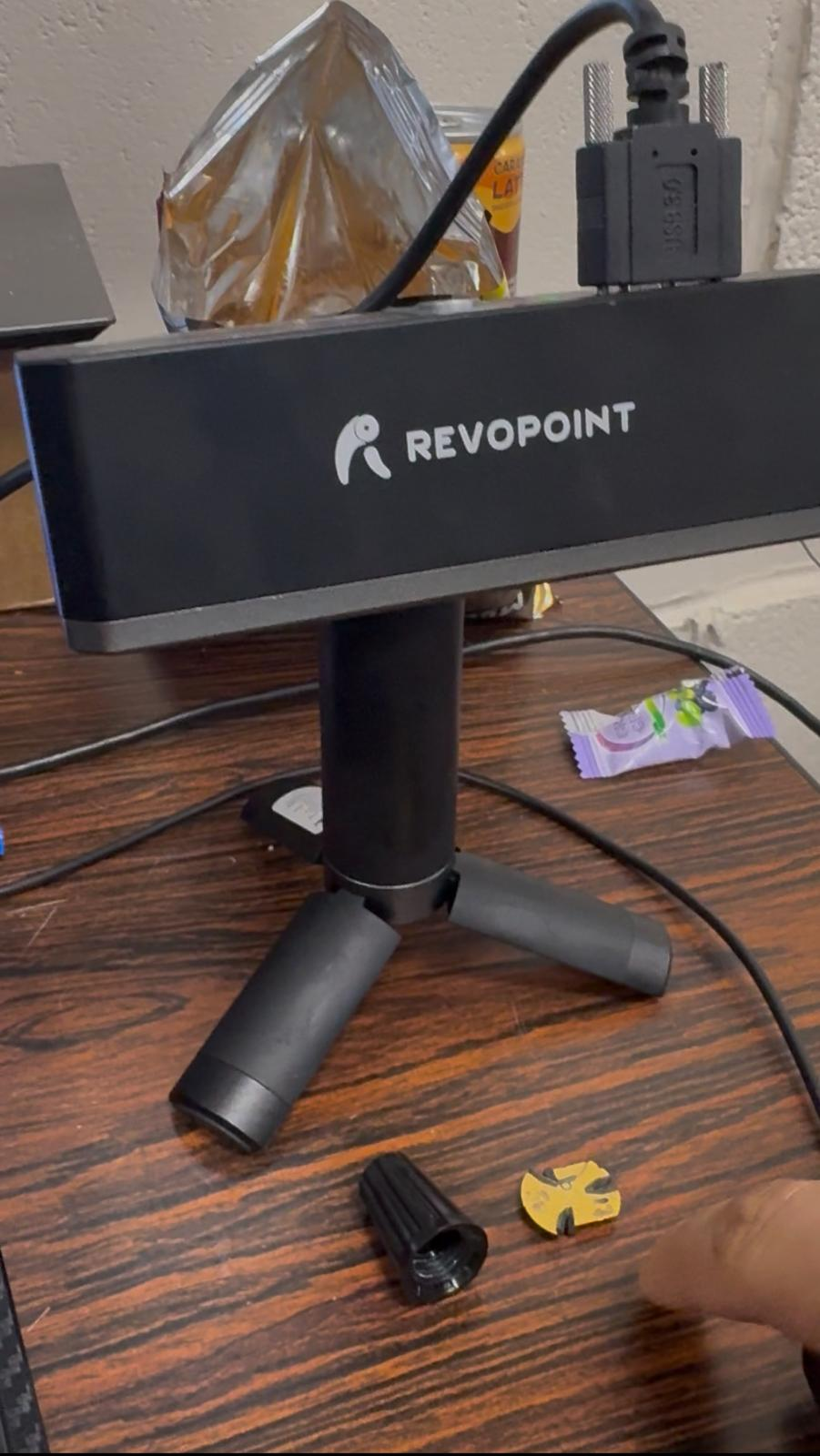
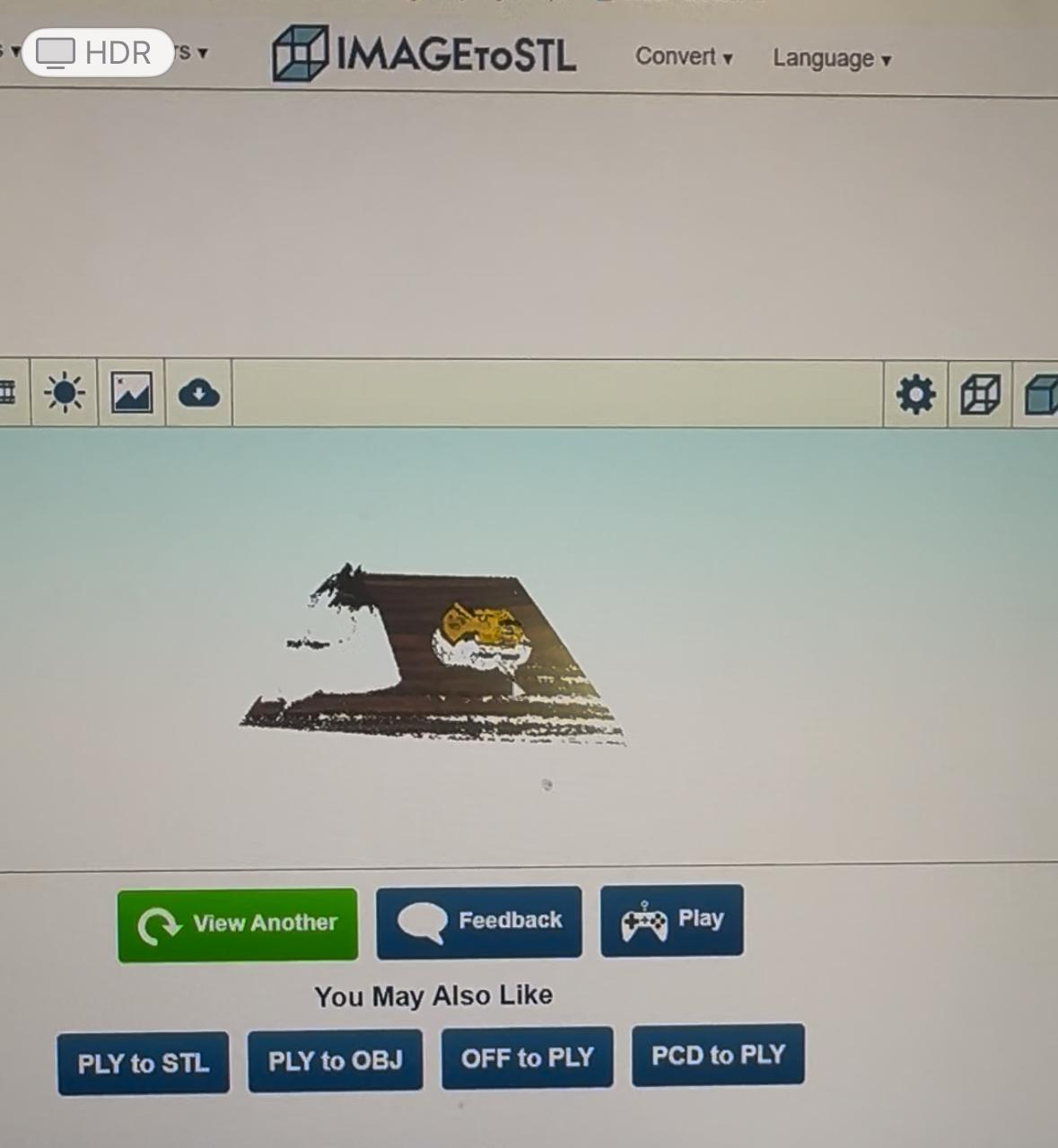
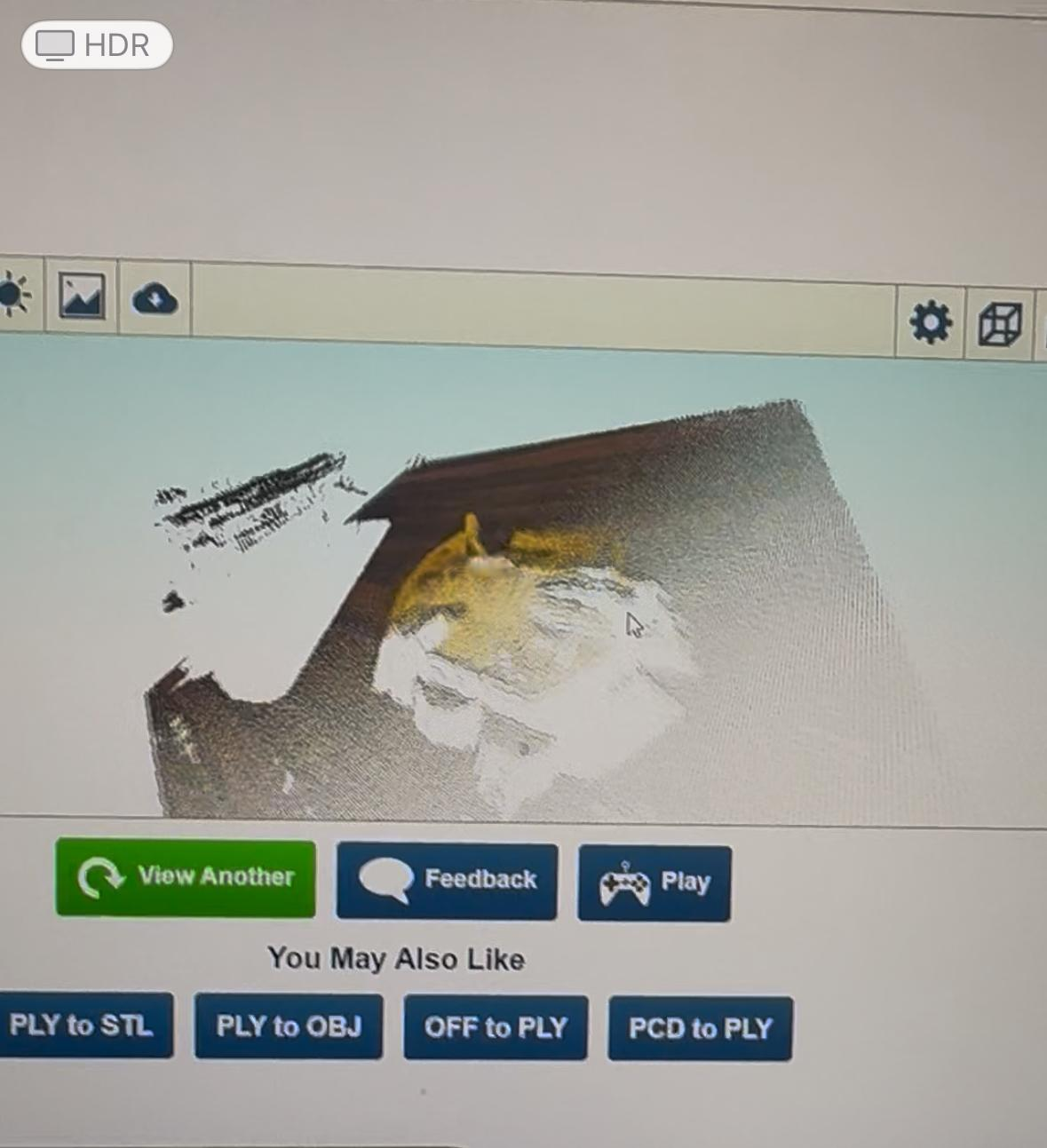
Research / 3D data / Spatial analysis
Research experience focused on working with point-cloud data: understanding three-dimensional scenes, exploring how spatial information can be represented, and communicating findings through a visual technical workflow.
Scroll or use the controls to view the capture and reconstruction stages.
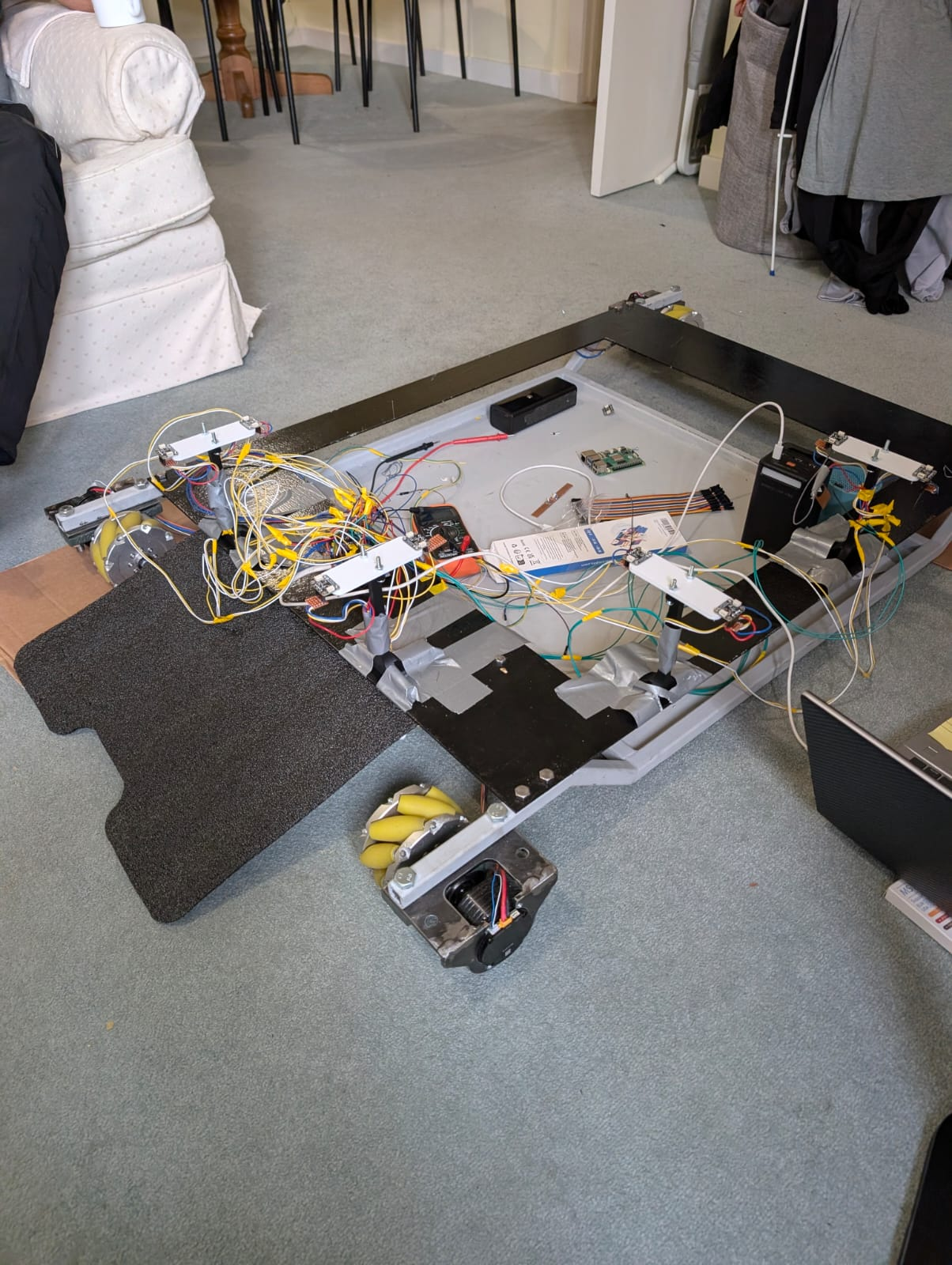
4SB / Robotics / Embedded systems
Engineering work on an autonomous guided vehicle, bringing together sensing, embedded control, movement behaviour, and practical testing of a physical robotics system.
The work connected software decisions with the realities of hardware integration, repeatable motion, and on-device debugging.
Featured projects
These projects are written as engineering records: what was built, which constraints mattered, and where the useful debugging happened.
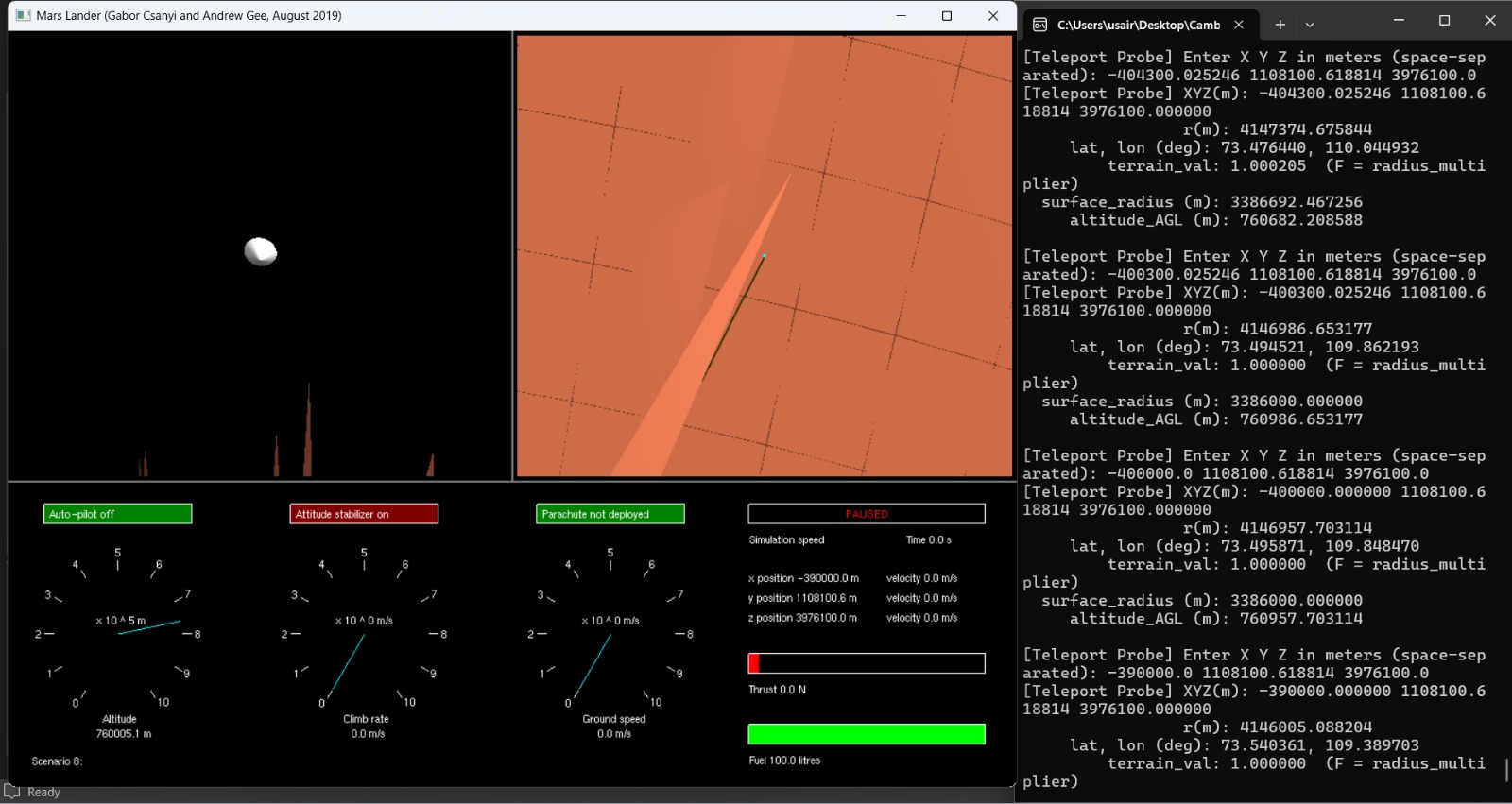
C++ / OpenGL / Control systems
A simulated lander environment covering vehicle dynamics, terrain-aware behaviour, landing and crash logic, and visual debugging tools for understanding simulation state.
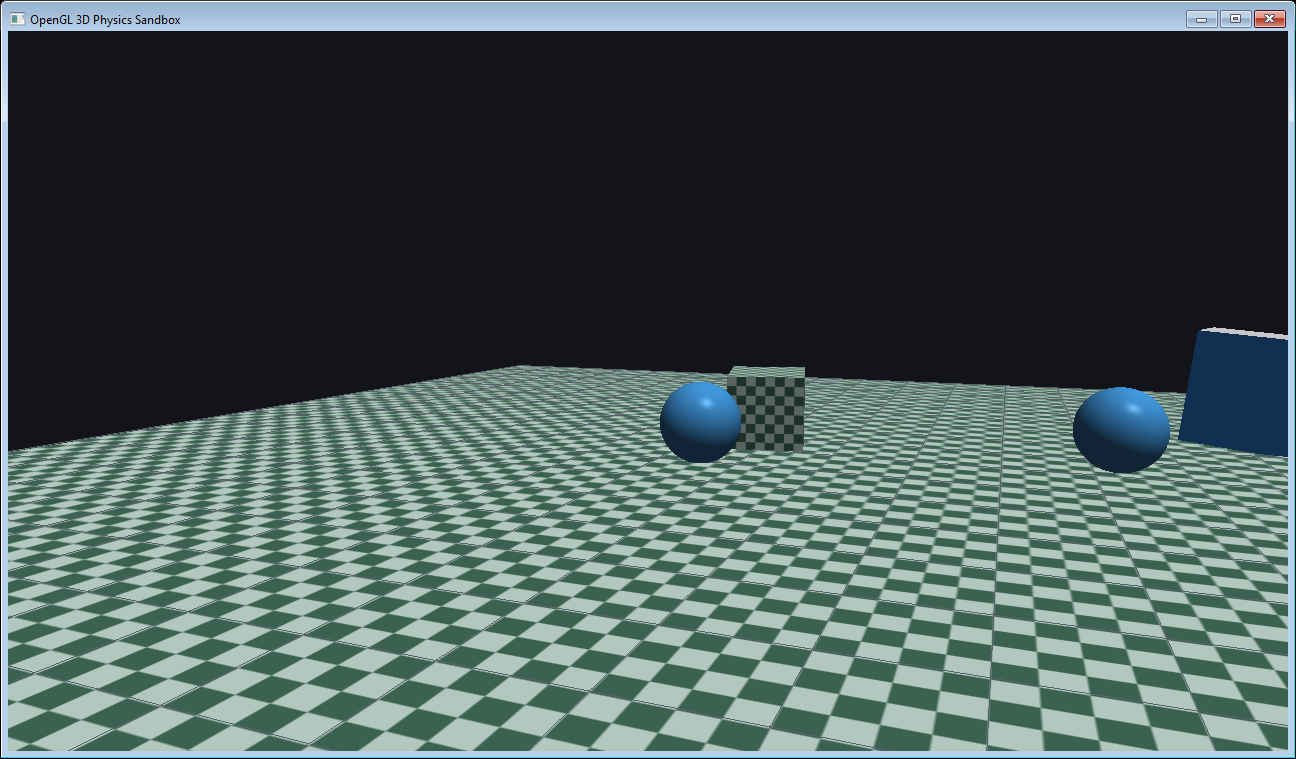
C++ / OpenGL / GLSL
A graphics project focused on the fundamentals of a rendering pipeline: shaders, transformations, camera control, linear algebra, and frame-by-frame inspection.
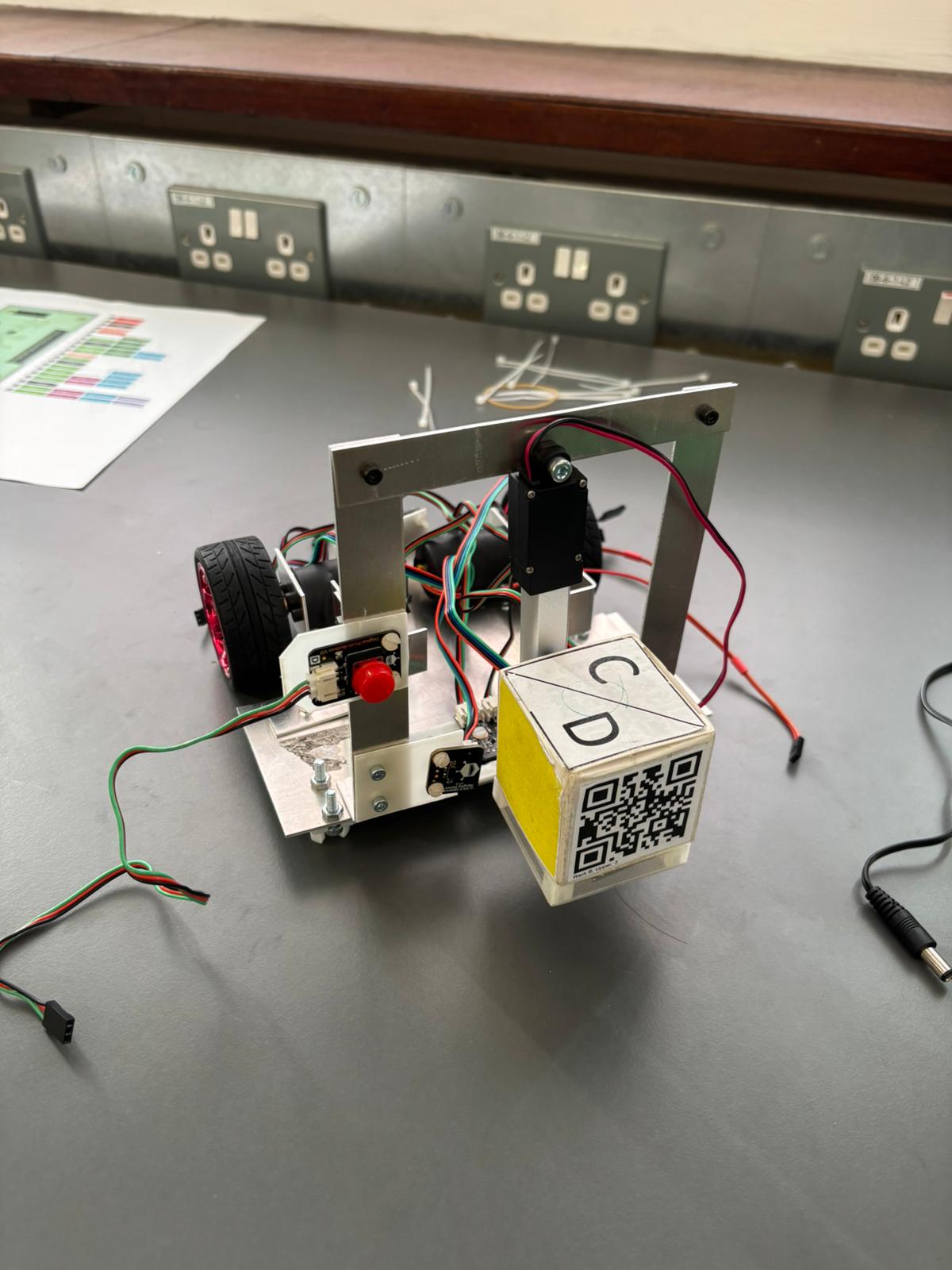
MicroPython / Raspberry Pi Pico / Sensors
A small autonomous vehicle project combining embedded control, sensor input, movement logic, and practical hardware/software debugging on a constrained microcontroller platform.
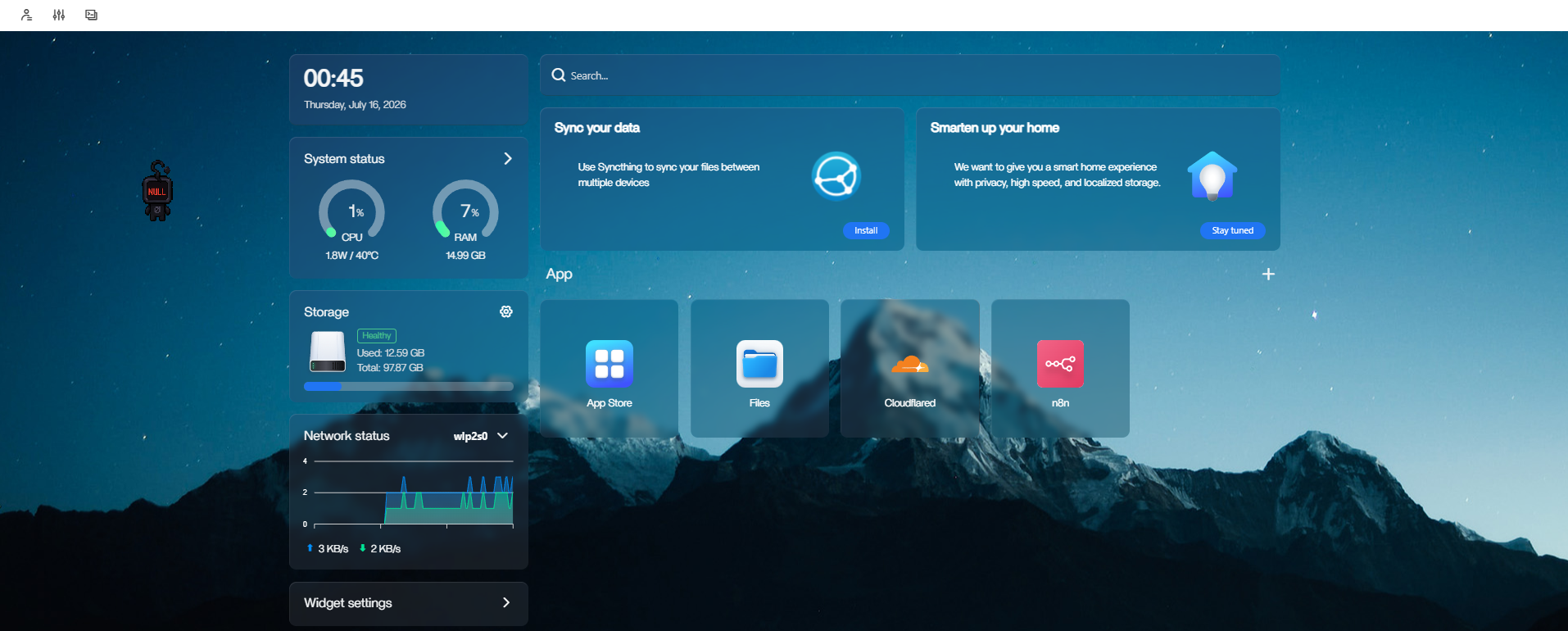
Ubuntu Server / Docker / Tailscale / Cloudflare
A home server setup treated as a maintainable deployment project: static hosting, service isolation, remote access, public/private separation, and routine security hygiene.
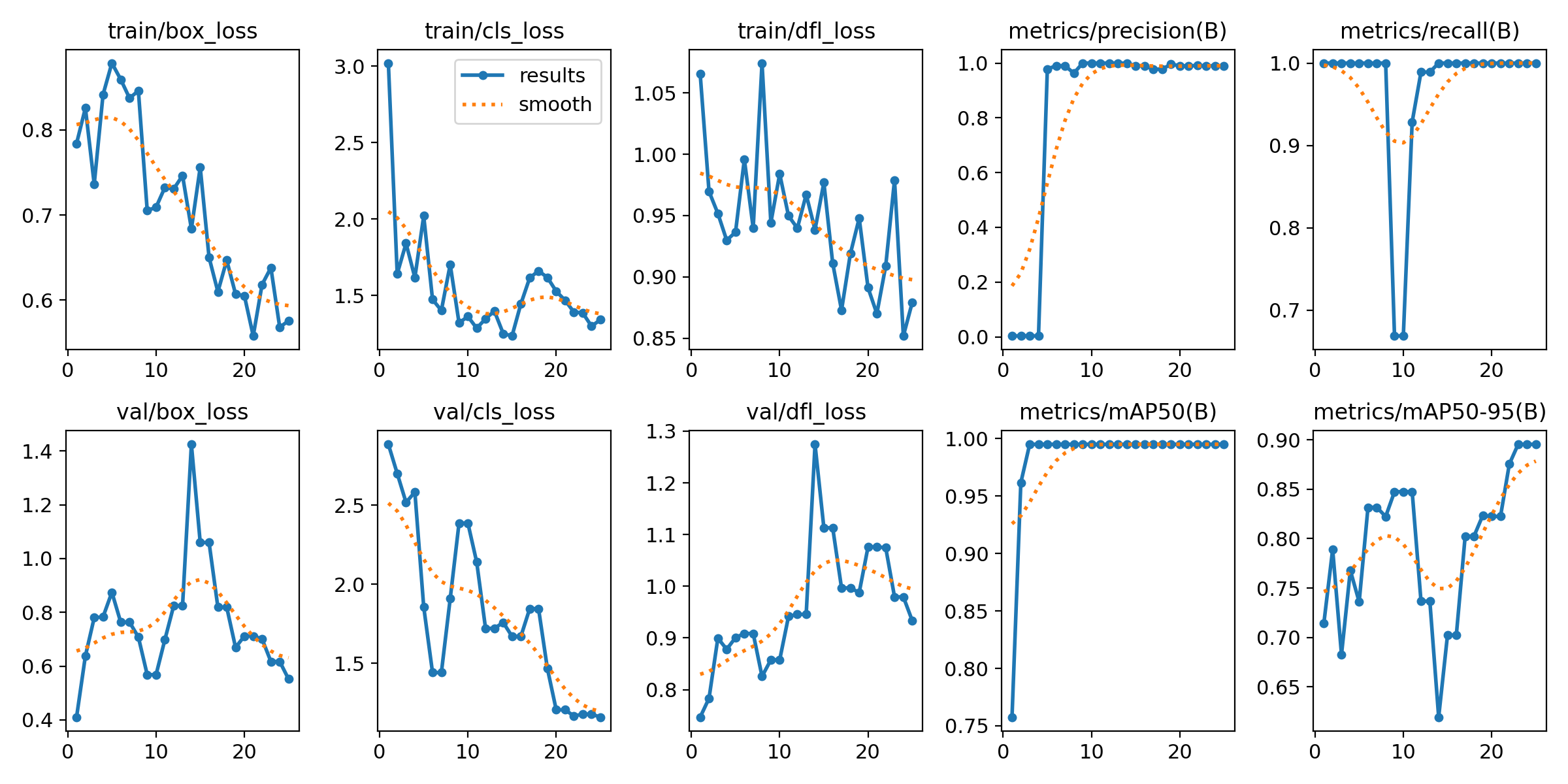
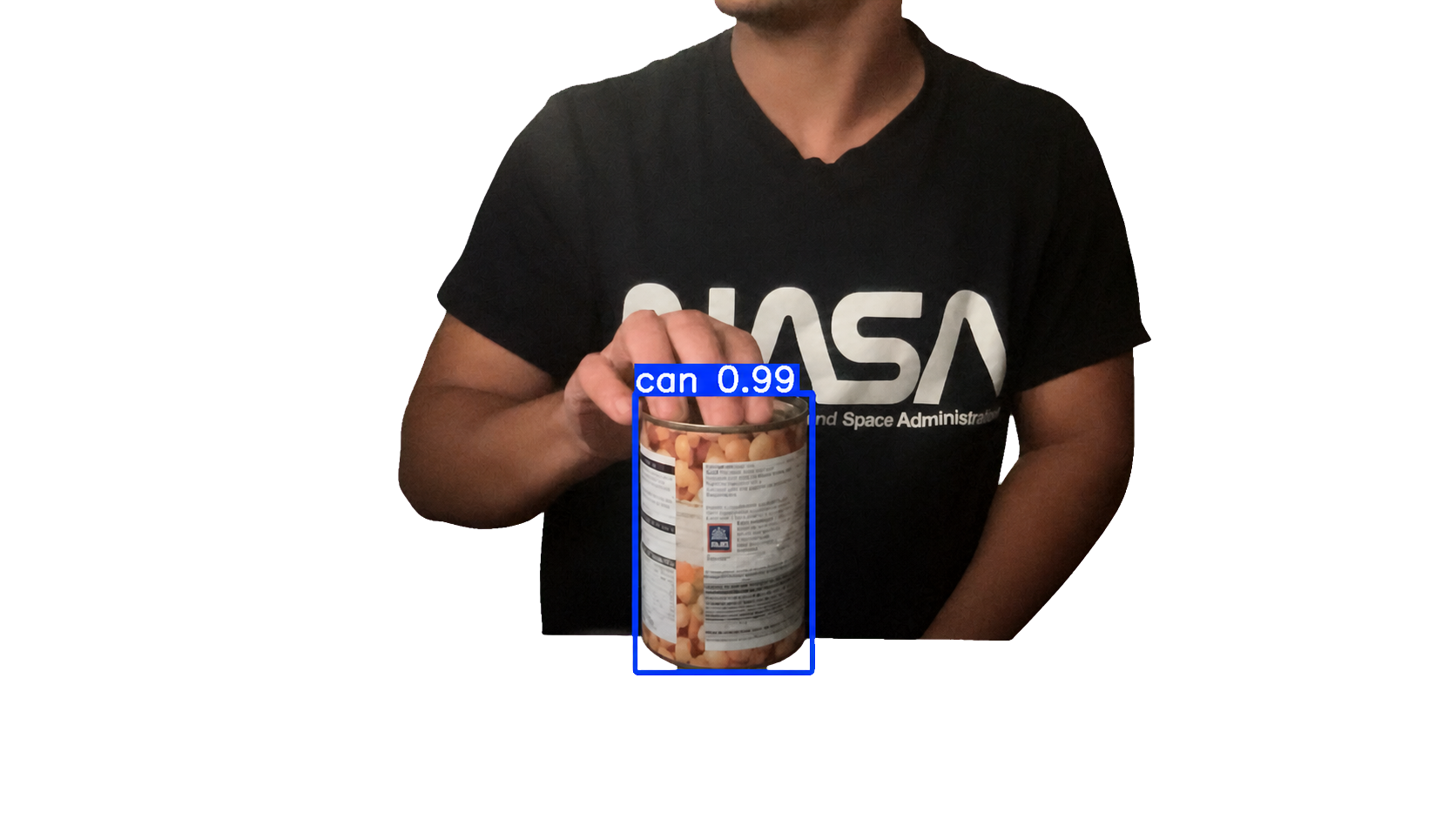
Python / TensorFlow / Dataset labelling
An image classification workflow built around a self-labelled dataset, training pipeline, model evaluation, and careful notes on limitations and next improvements.
Skills and toolkit
C++, Python, MicroPython, JavaScript, HTML, CSS
OpenGL, GLSL, linear algebra, camera systems, physics logic
Raspberry Pi Pico, sensors, control logic, hardware debugging
TensorFlow, CNNs, dataset labelling, training, evaluation
Ubuntu Server, Docker, CasaOS, Tailscale, Cloudflare, Nginx
Debugging, documentation, iterative testing, readable handoff notes
Self-hosted infrastructure
The home server setup is included as an engineering project because it has real operational constraints: keeping static hosting simple, separating public services from private access, managing containers, and documenting how the site can be updated without relying on a complex build pipeline.
About
I am a Cambridge Engineering student interested in systems that connect computation with real constraints: embedded hardware, robotics, graphics, simulation, control, machine learning, and infrastructure. I value projects where the evidence is visible in the implementation, the tradeoffs are documented, and the next debugging step is clear.
CV and education
I am completing an MEng in Engineering at the University of Cambridge and entering my third year. My studies cover electronics, mechanics, linear systems, structures, electrical engineering, thermodynamics, materials, and mathematics. Before university, I achieved three A*s in Mathematics, Further Mathematics, and Physics, alongside an A in Chemistry and an award-winning EPQ on AI in healthcare.
Contact
The best contact route is email. GitHub and LinkedIn links can be added once the public profiles are ready.